Research
We seek to understand how the epigenetic principles orchestrating normal human brain development are aberrantly engaged during brain tumor formation so we can develop better treatments for these tumors. To that end, our work focuses on several main areas:
Generating novel glioma models using human cerebral organoids
Prior cancer models have focused on mice, either genetically engineering them with cancer-associated mutations or implanting human cancer cells into them. We are building analogous cancer models using human cerebral organoids, which may capture early human brain development better than mice.
- Introducing glioma-associated mutations into cerebral organoids
- Growing patient-derived glioma samples in cerebral organoids
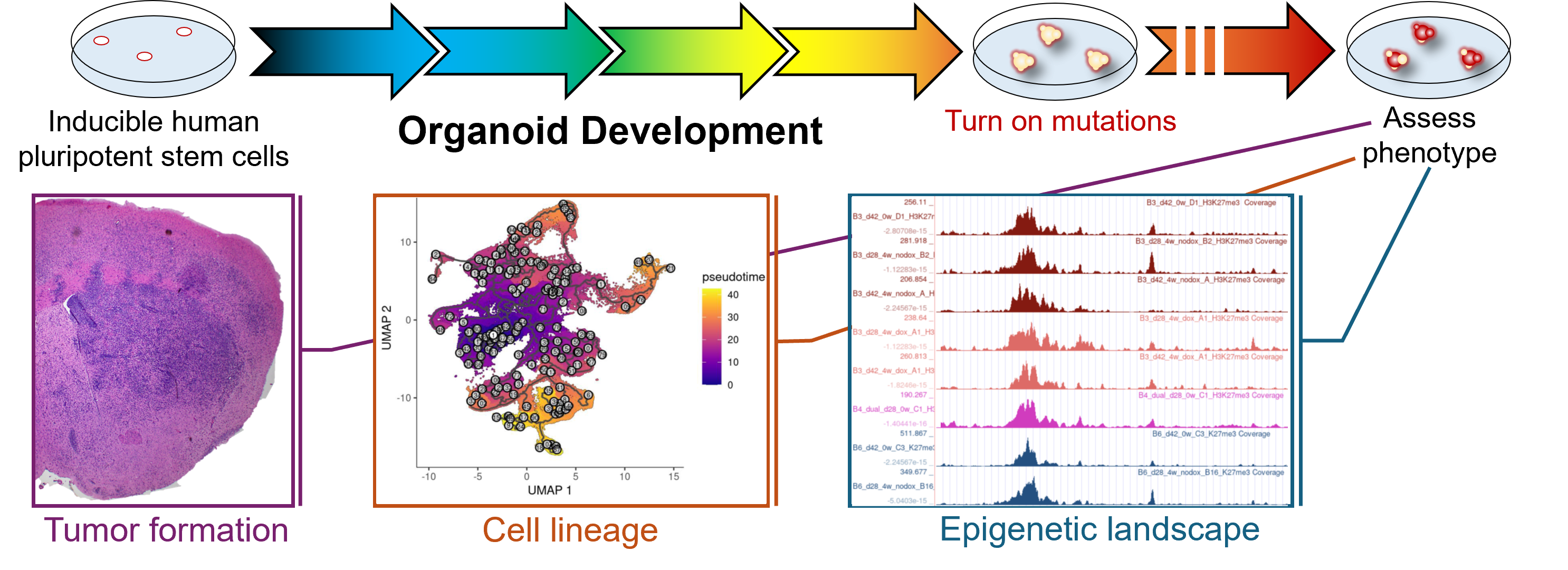
Epigenetic plasticity in glioma formation and progression
Many glioma cells resemble different pools of stem cells found in the brain, and they are able to shift between these different stem cell identities during tumor evolution, including in response to treatments. Changes in the tumor cell’s epigenome (how the DNA is organized and expressed) are likely involved in this plasticity. We are working to better understand this process, which may lead to better treatments for glioma.
- How does cell identity contribute to transformation susceptibility by epigenetic oncogenes?
- What epigenetic changes underlie the plasticity of glioma cells during initiation and during treatment?
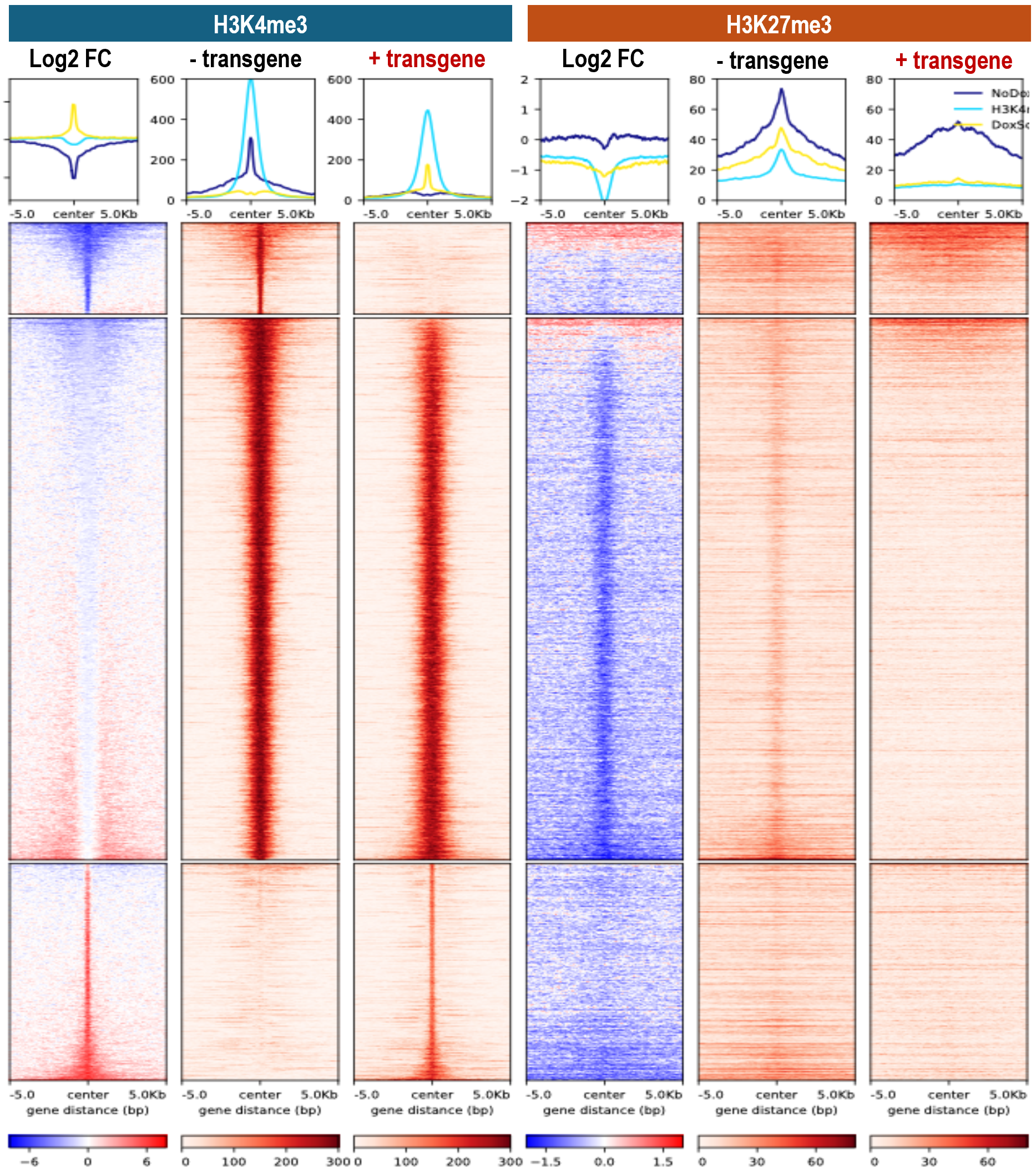
Single-cell multiomics for interrogation of histone dynamics
The impact of epigenetic changes is often different in different types of cells, so we need to be able to look at cell identity and cell epigenetics in the same cell. We are developing pipelines to be able to do this in both our organoid models and human tumors.